

Access to reliable and compassionate medical services is essential for a healthy society. A healthcare clinic plays a vital role in providing accessible, affordable, and quality medical care for individuals and families. Unlike emergency facilities, healthcare clinics focus on preventive care, early diagnosis, and continuous health support to improve overall well-being.
This article explores the importance of a healthcare clinic, its services, and its role in modern healthcare systems.
What Is a Healthcare Clinic?
A healthcare clinic is a medical facility that offers outpatient services for a wide range of health needs. Clinics are designed to provide timely care without the need for hospital admission. They serve as the first point of contact for patients seeking medical advice, routine checkups, or treatment for common health conditions.
Healthcare clinics focus on convenience, patient comfort, and efficient care delivery.
The Purpose of a Healthcare Clinic
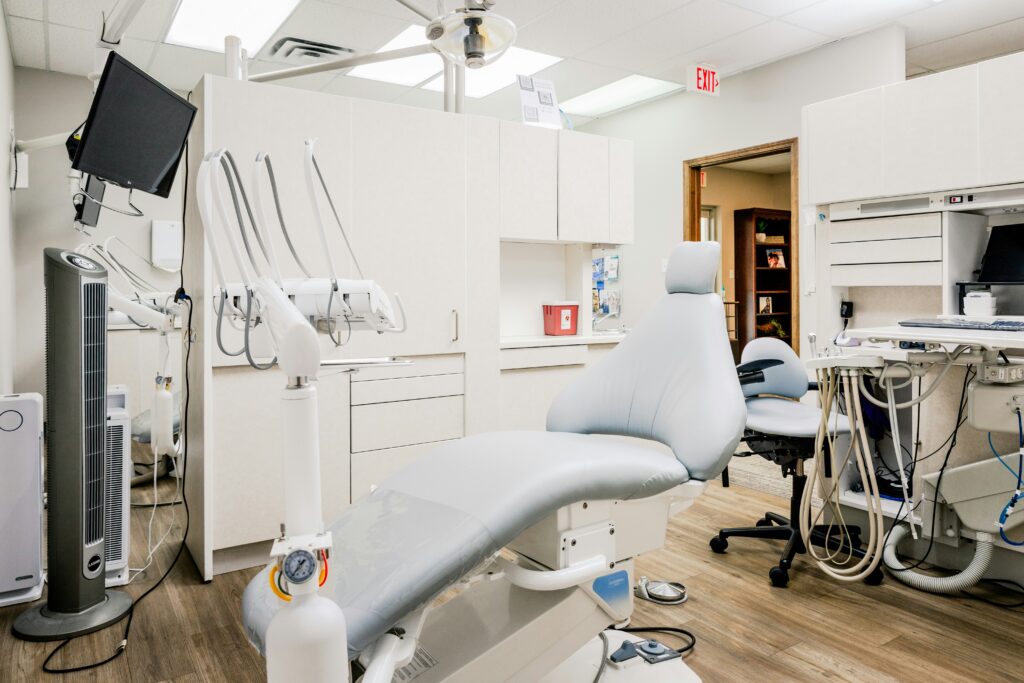
The primary purpose of a healthcare clinic is to maintain and improve community health. Clinics aim to:
- Prevent illnesses through regular screenings
- Diagnose health issues early
- Provide effective treatment plans
- Educate patients on healthy lifestyles
By emphasizing prevention and education, clinics help reduce the burden on hospitals.
Services Commonly Offered in a Healthcare Clinic
Healthcare clinics provide a variety of essential services, including:
- General medical consultations
- Preventive health screenings
- Vaccinations and immunizations
- Chronic disease management
- Basic diagnostic tests
- Health counseling and guidance
These services ensure continuity of care for patients of all ages.
Patient-Centered Care Approach
A modern healthcare clinic focuses on patient-centered care. This approach includes:
- Personalized treatment plans
- Clear communication between doctors and patients
- Respect for patient needs and concerns
- Comfortable and welcoming environments
When patients feel valued, healthcare outcomes improve.
Preventive Care and Wellness Programs
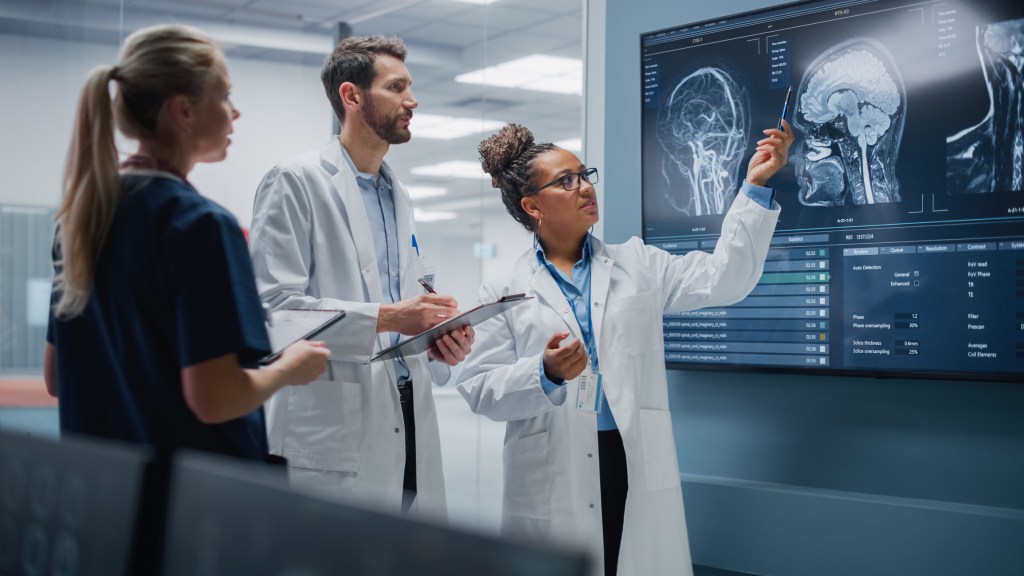
Preventive care is a core strength of a healthcare clinic. Clinics encourage:
- Routine checkups
- Lifestyle and nutrition counseling
- Stress management awareness
- Early detection of health risks
Preventive measures help individuals stay healthy and avoid serious medical conditions.
Role of Healthcare Clinics in Community Health
Healthcare clinics are essential for community well-being. They:
- Improve access to medical services
- Reduce healthcare costs
- Promote public health awareness
- Support long-term disease prevention
Clinics serve as a bridge between individuals and the broader healthcare system.
Technology in Modern Healthcare Clinics
Many healthcare clinics now use technology to improve patient care, such as:
- Digital health records
- Online appointment scheduling
- Telemedicine consultations
- Remote health monitoring
Technology enhances efficiency, accuracy, and patient convenience.
Benefits of Choosing a Healthcare Clinic

Patients prefer healthcare clinics because they offer:
- Affordable medical services
- Shorter waiting times
- Personalized care
- Convenient locations
- Ongoing health support
Clinics provide reliable care without the complexity of hospital systems.
The Future of Healthcare Clinics
As healthcare continues to evolve, clinics will play an even greater role in preventive and personalized care. The future focus includes:
- Integrated wellness services
- Advanced diagnostic tools
- Expanded telehealth solutions
- Greater emphasis on patient education
Healthcare clinics are shaping the future of accessible healthcare.
Conclusion
A healthcare clinic is more than a medical facility—it is a cornerstone of healthy living. By offering preventive care, personalized treatment, and community-focused services, healthcare clinics help individuals maintain better health and improve their quality of life.
 healthvibes.news.blog