
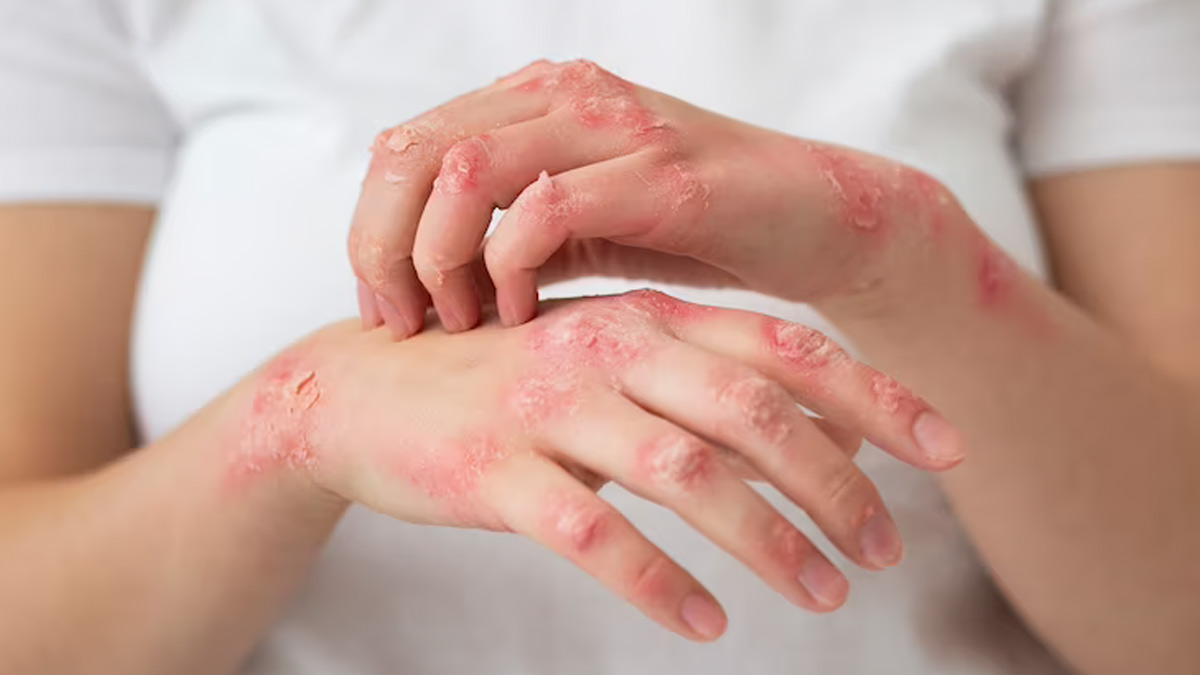
Herpes is a common viral infection that affects millions of people worldwide, yet many are unsure how to recognize it. Understanding what herpes looks like can help with early awareness, prompt testing, and proper treatment. While symptoms can vary from person to person, there are some common visual signs associated with the condition.
Understanding Herpes
Herpes is caused by the herpes simplex virus (HSV). There are two main types:
- HSV-1, commonly linked to oral herpes
- HSV-2, most often associated with genital herpes
Both types can appear on the mouth or genitals and may look similar.
Early Signs to Watch For

Before visible sores appear, many people experience early warning symptoms. These may include:
- Tingling or itching in a specific area
- Mild burning or discomfort
- Redness or sensitivity of the skin
These early signs often occur hours or days before an outbreak becomes visible.
Appearance of Herpes Sores
Herpes usually begins as small red bumps or tiny fluid-filled blisters. These blisters often:
- Appear in clusters
- Are painful or tender to the touch
- Contain clear or yellowish fluid
Over time, the blisters may burst and turn into shallow open sores.
Healing Stage
After breaking open, herpes sores typically:
- Form a crust or scab
- Gradually dry out
- Heal within one to two weeks
Once healed, the skin usually returns to normal without scarring.
Oral Herpes Appearance
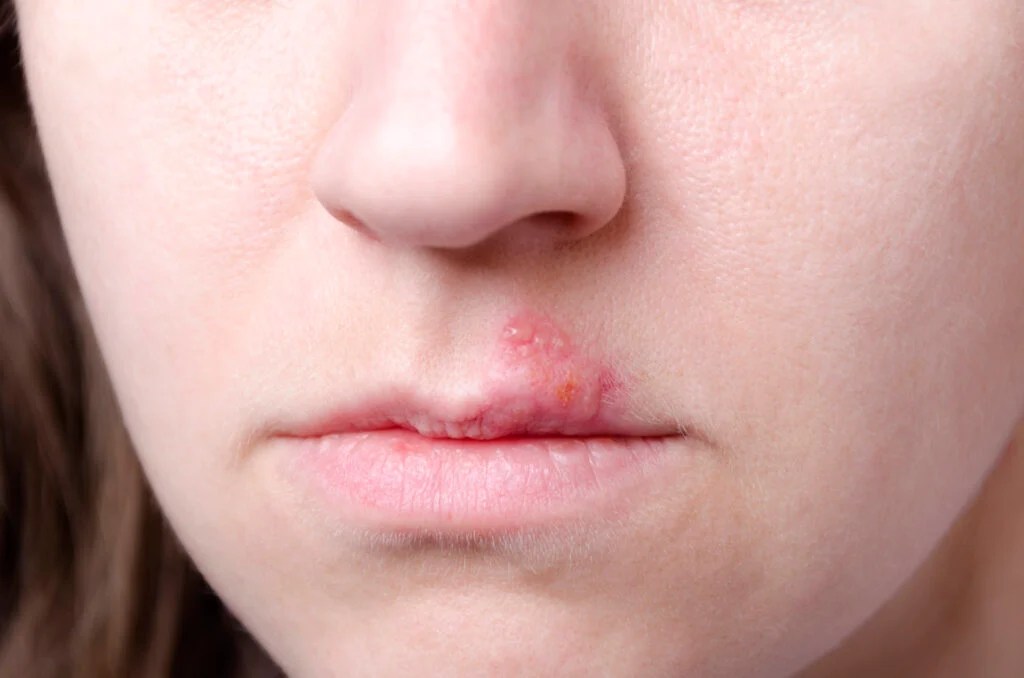
Oral herpes commonly shows up around the lips, mouth, or nose. These outbreaks are often called cold sores or fever blisters and may look like:
- Small blisters along the lip line
- Red, swollen patches near the mouth
- Crusted sores during healing
Genital Herpes Appearance
Genital herpes may appear on or around:
- The genitals
- The inner thighs
- The buttocks or anus
Sores in this area can be especially uncomfortable and may be mistaken for pimples, ingrown hairs, or other skin conditions.
Mild or No Visible Symptoms
It’s important to note that some people with herpes have very mild symptoms or none at all. In such cases, the virus can still be present and spread to others without visible sores.
When to See a Doctor
If you notice unusual blisters, sores, or skin irritation—especially if they are painful or recurring—it’s important to consult a healthcare professional. Only a medical test can confirm whether symptoms are caused by herpes or another condition.
Final Thoughts
Herpes can look different depending on the person and the stage of the outbreak, but it often starts as small blisters that heal over time. Recognizing the signs early and seeking medical advice can help manage symptoms and reduce transmission. If you’re unsure about any skin changes, professional evaluation is always the safest step.
Frequently Asked Questions (FAQs)
1. What does herpes look like in the early stages?
In the early stage, herpes usually starts as small red bumps or tiny blisters on the skin. These areas may feel itchy, tingling, or slightly painful before the blisters appear. Some people also notice swelling or sensitivity in the affected area.
2. What do herpes blisters look like?
Herpes blisters are typically small, fluid-filled sores that appear in clusters. They may look clear or yellowish and are often surrounded by red, inflamed skin. Over time, these blisters can break open and form shallow ulcers.
3. How long do herpes sores last?
A herpes outbreak usually lasts 7 to 14 days. The sores go through stages: blistering, bursting, oozing, crusting, and finally healing without leaving scars in most cases.
4. Can herpes look different from person to person?
Yes, herpes can look different depending on the person. Some people get very noticeable blisters, while others may only have mild redness, small pimples, or no visible symptoms at all.
5. What is the difference between oral and genital herpes in appearance?
- Oral herpes usually appears as cold sores or blisters around the lips, mouth, or nose.
- Genital herpes appears as blisters or sores around the genitals, buttocks, thighs, or anus.
Both types can look similar but occur in different areas of the body.
6. Does herpes always cause visible sores?
No, herpes does not always cause visible sores. Many people carry the virus without symptoms, a condition known as asymptomatic herpes, but they can still spread the virus.
7. Can herpes be mistaken for other skin problems?
Yes, herpes is often mistaken for:
- Pimples or acne
- Ingrown hairs
- Razor burns
- Allergic reactions
This is why medical testing is important for an accurate diagnosis.
8. Are herpes sores painful?
Herpes sores can be painful or uncomfortable, especially during the blister and open sore stages. Some people experience burning or stinging sensations, while others have mild discomfort.
9. Do herpes sores itch?
Yes, itching is common, especially before blisters appear and while the sores are healing. Scratching should be avoided as it can worsen symptoms or cause infection.
10. Can herpes sores leave scars?
In most cases, herpes sores heal without scarring. However, severe outbreaks or scratching the sores can sometimes cause temporary marks or skin discoloration.
11. How can you confirm if a sore is herpes?
The only way to confirm herpes is through:
- A medical examination
- A swab test from an active sore
- A blood test to detect herpes antibodies
Visual symptoms alone are not always reliable.
12. When should you see a doctor?
You should see a doctor if:
- You notice unusual blisters or sores
- The pain is severe
- Symptoms last longer than two weeks
- You are unsure about the cause of the sores
Early diagnosis helps with better management and prevention.
 healthvibes.news.blog