
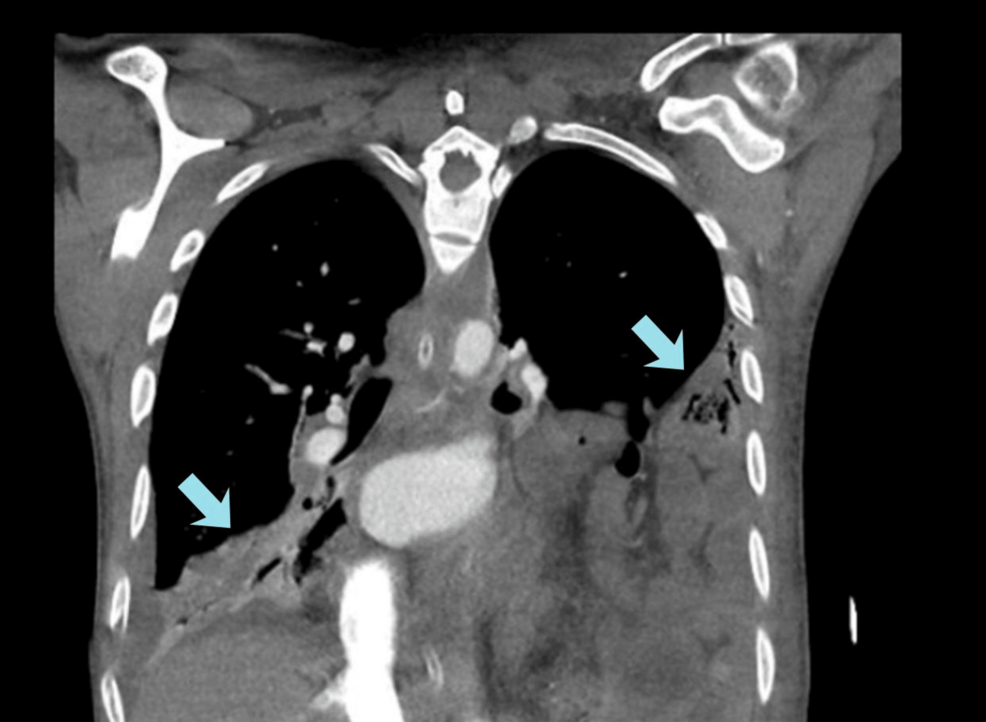
A recent medical case report is drawing attention to the rare, yet deadly, potential for Lemierre Syndrome (LS) to involve the heart, underscoring the need for heightened clinical suspicion of this “forgotten disease.”
While Lemierre Syndrome—a severe complication often following a common throat infection—is typically characterized by septic thrombophlebitis of the internal jugular vein and subsequent spread of infection primarily to the lungs, a small percentage of cases develop highly dangerous cardiac complications. The fatal outcome in this particular atypical presentation serves as a stark reminder of the disease’s aggressive potential.
The Atypical Threat
Lemierre Syndrome, historically linked to the bacterium Fusobacterium necrophorum, mostly affects otherwise healthy adolescents and young adults. Classic symptoms begin with a sore throat, followed by high fever, and unilateral neck pain and swelling due to the infected blood clot (thrombophlebitis) in the jugular vein. However, the reported atypical cases highlight a dangerous variant where the infection spreads beyond the cervical veins into the thoracic and cardiac structures.
One recently published case report describes a patient with LS who developed extensive multi-vessel thrombosis, including the internal jugular, brachiocephalic, and superior vena cava (SVC) veins, with the thrombus propagating dangerously into the right atrium of the heart. This extension poses an immediate, life-threatening risk due to the potential for massive pulmonary embolism or obstructive heart failure.
Increased Risk and Fatal Outcomes
Clinical research has increasingly focused on these atypical presentations, noting that cardiac and arterial involvement is associated with a significantly worse prognosis. A systematic review found that patients with arterial and cardiac complications of Lemierre Syndrome face a greater risk of all-cause death, with mortality rates in this subset being substantially higher than in typical cases. Pericardial complications and infective endocarditis are among the reported severe cardiac involvements.
Call for Prompt Diagnosis
Healthcare professionals are urged to maintain a high index of suspicion for Lemierre Syndrome, especially in patients presenting with prolonged or worsening pharyngitis, neck symptoms, and signs of sepsis. Diagnosis relies heavily on a combination of clinical features and imaging, such as CT scans of the neck and chest, to identify vein thrombosis and metastatic septic emboli.
The key takeaway from this tragic outcome is the critical importance of early, aggressive treatment. While the use of targeted, prolonged intravenous antibiotics remains the cornerstone of therapy, the management of complex, multi-vessel thrombosis—especially when extending into central structures like the right atrium—may necessitate a multidisciplinary approach involving cardiology, infectious disease, and critical care specialists, often including consideration of anticoagulation therapy.
Despite the syndrome’s rarity, the potential for rapid progression to a fatal outcome through atypical complications, particularly in the cardiac system, underscores the critical role of timely diagnosis in saving lives.
Note: This article is based on recent published medical case reports and meta-analyses concerning Lemierre Syndrome. Specific patient details have been generalized to focus on the medical significance of the atypical presentation.
 healthvibes.news.blog