
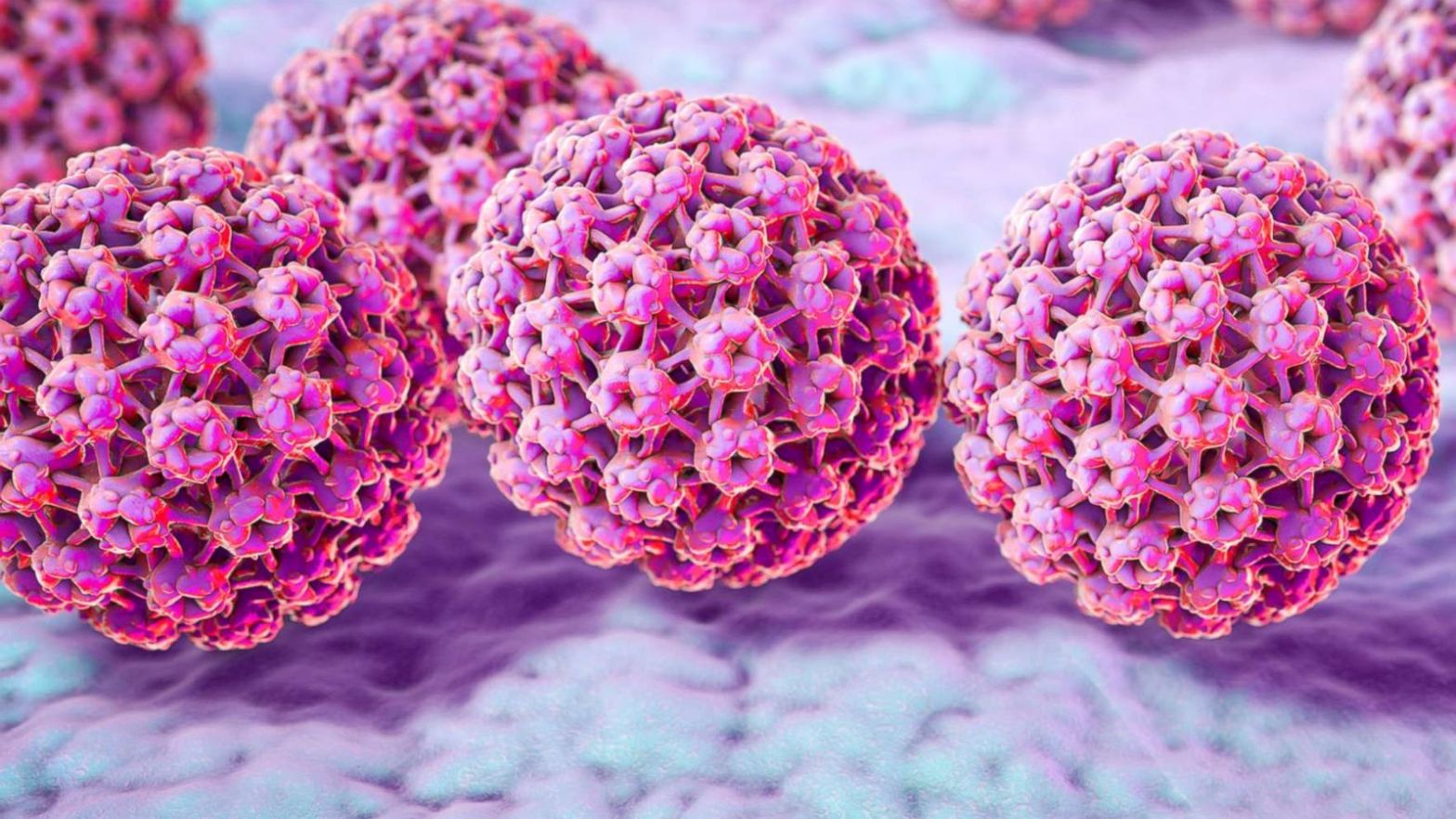
[City, Country] – [October 16, 2025] – For decades, the Human Papillomavirus (HPV) has been strongly associated with cervical cancer, often leading to a perception that its risk primarily concerns women. However, a growing body of recent research and shifting cancer statistics are painting a far broader and more urgent picture, suggesting the dangers of HPV infection may be far greater and more widespread than the public—and even some healthcare systems—have fully acknowledged.
The consensus among health organizations is clear: HPV is the most common sexually transmitted infection globally, with most sexually active people contracting it at some point. While the majority of infections clear up on their own, persistent infection with “high-risk” strains can lead to cancer—and new data shows the rise in non-cervical HPV-related cancers, particularly in men, is a major concern.
The Rising Tide of Oropharyngeal Cancer
The most striking trend is the rapid increase in oropharyngeal cancers (cancers of the throat, tonsils, and base of the tongue), predominantly in middle-aged men. HPV is now responsible for about 70% of these cancers. Experts warn that if current trends continue, HPV-related oropharyngeal cancer could soon surpass cervical cancer incidence, becoming one of the most common forms of cancer in this demographic.
Unlike cervical cancer, for which effective screening exists (Pap and HPV tests), there is currently no routine screening test for oral HPV infection or oropharyngeal cancer in the general population. This gap means the infection often goes unnoticed until symptoms—like a persistent sore throat, lump in the neck, or trouble swallowing—indicate an advanced stage of cancer.
Beyond the Cervix: A Shared Cancer Risk
Recent studies have underscored a shared, long-term cancer risk across multiple anatomical sites linked by HPV. A 2025 study highlighted that women who are survivors of cervical cancer face nearly twice the risk of developing anal cancer later in life compared to the general population.
This finding emphasizes that the virus’s potential to cause cancer is not localized to one organ. HPV is confirmed to cause six types of cancer in both sexes:
- Cervical cancer (nearly all cases)
- Anal cancer (over 90% of cases)
- Oropharyngeal (throat) cancer (about 70% of cases)
- Vaginal and Vulvar cancers
- Penile cancer
Compounding the risk, individuals with weakened immune systems, particularly those with HIV/AIDS, face a significantly elevated risk for all HPV-related non-cervical cancers, with one study showing a greater than 30-fold increased risk for anal cancer in this group.
The Power of Prevention and the Need for Awareness
The key takeaway from the latest research is that while the danger is broad, the solution is highly effective: the HPV vaccine. The vaccine is a powerful tool for primary cancer prevention against the high-risk strains that cause up to 90% of all HPV-related cancers.
Despite the vaccine’s safety record and proven efficacy—with studies showing a sharp drop in vaccine-preventable HPV infections—vaccination rates, especially among males, remain a critical challenge. Many people remain unaware that HPV affects men more commonly than women, or that it is linked to cancers beyond the cervix.
Healthcare providers and public health campaigns are urgently pushing for increased awareness and vaccination rates, not just in adolescents (the target group for maximum effectiveness), but also in adults up to age 45 who were not vaccinated earlier. The message is clear: HPV is a serious, widespread cancer-causing agent, and vaccination is the most direct defense against a spectrum of increasingly diagnosed and deadly cancers.
 healthvibes.news.blog