
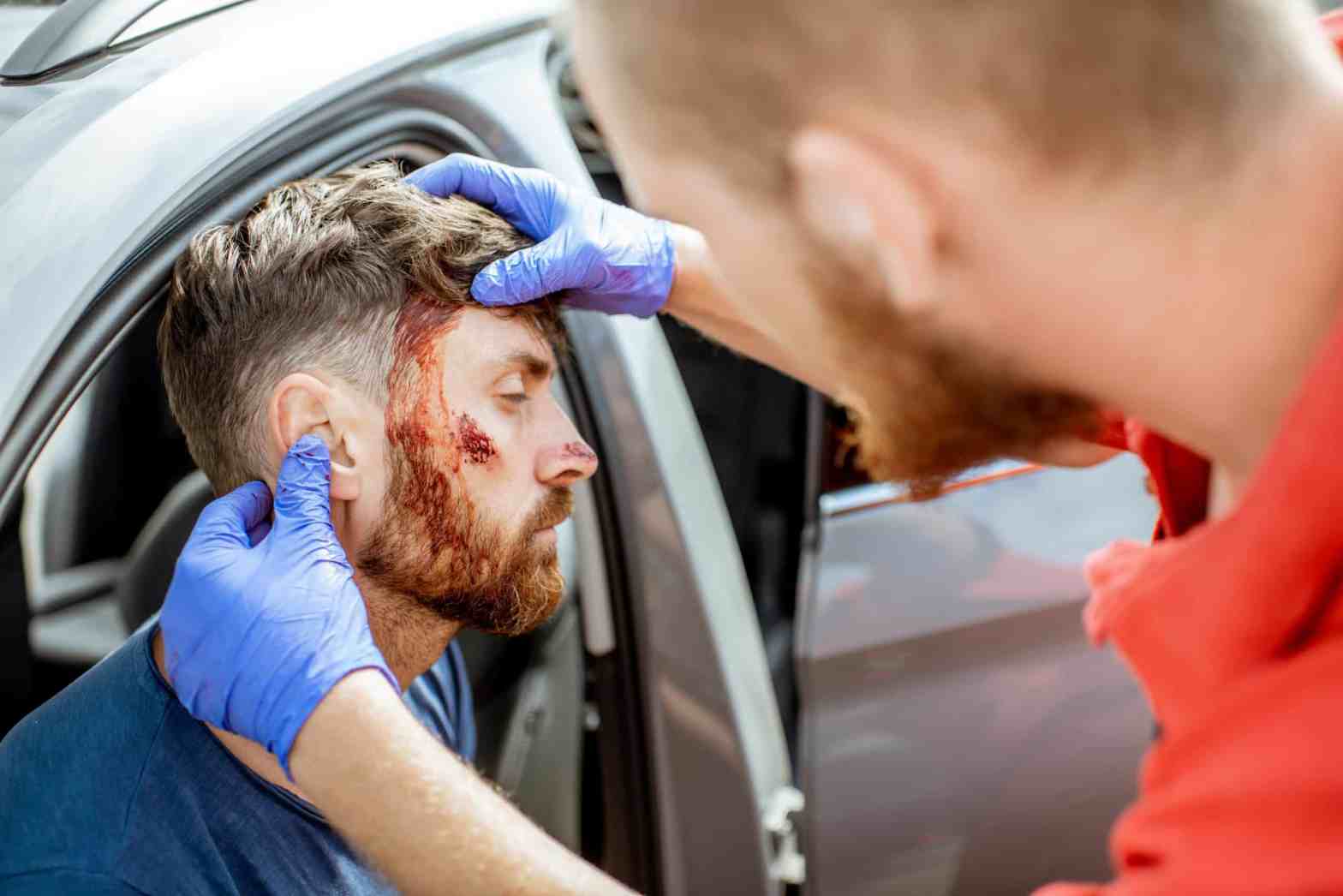
Injuries and accidents are an inevitable part of life, but their consequences can range from minor inconvenience to severe, life-altering trauma. Understanding the common causes and proactively implementing safety measures is the most effective way to protect ourselves and our loved ones, whether at home, work, or on the road.
Common Causes of Injuries and Accidents
Accidents are rarely just “bad luck”; they often result from a combination of unsafe acts (like taking shortcuts or distraction) and unsafe conditions (like poor housekeeping or faulty equipment).
1. Working Places Workplace injuries are a serious concern globally. Major causes include:
Slips, Trips, and Falls: Often caused by wet floors, clutter, or poor lighting. These account for a significant portion of non-fatal injuries.
Overexertion/Ergonomic Injuries: Strains from improper manual handling, lifting heavy objects, or repetitive motions.
Contact with Objects/Equipment: Being struck by a falling or moving object, or getting caught in machinery.
Fatigue and Complacency: Tiredness and overconfidence (thinking “it won’t happen to me”) lead to decreased vigilance and an increased risk of error.
2. At Home and in the Community
The home is a frequent site of preventable accidents, especially for children and the elderly.
Falls: The leading cause of non-fatal injury for children and adults. Stairs without secure handrails, unsecured rugs, and wet bathroom floors are all common dangers. Poisoning: Accidental ingestion of medications or cleaning products, particularly by children, or exposure to odorless gases like carbon monoxide.
Cuts and Burns: Accidents in the kitchen involving sharp knives, hot stoves, or scalding water.
Motor Vehicle Incidents: One of the leading causes of death, often due to distracted driving, speeding, or driving under the influence.
Proactive Strategies for Prevention
Prevention focuses on eliminating hazards and promoting safe behaviors.
1. Safety at Home 🏠
Clear Clutter: Keep floors, walkways, and stairways free of obstructions, and use non-skid pads under area rugs.
Childproofing: Store cleaning supplies, chemicals, and medications in high, locked cabinets. Use safety gates near stairs and secure pools with fencing and alarms.
Fire Safety: Install and regularly test smoke and carbon monoxide detectors on every level. Have an established escape plan and keep fire extinguishers accessible.
Ladder Use: Use step stools or ladders safely, ensuring they are stable and rated for your weight. Avoid standing on chairs.
2. Safety at Work 👷
Training and Procedures: Ensure all employees receive proper training on safety protocols and the safe use of all equipment.
Good Housekeeping: Clean up spills immediately, keep walkways clear, and properly store tools and materials.
Ergonomics: Use proper lifting techniques (lift with your legs, not your back) and ensure workstations are set up ergonomically to prevent repetitive strain injuries.
Personal Protective Equipment (PPE): When performing the task at hand, always wear the required PPE, such as gloves, goggles, and helmets. 3. Safety on the Road 🚗
Focus on Driving: Eliminate all forms of distraction, especially cell phone use.
Obey Traffic Laws: Adhere to speed limits and never drive while fatigued or impaired by alcohol or drugs.
Use Safety Devices: Always wear a seatbelt, and ensure children are secured in appropriate car seats.
Essential First Aid for Minor Injuries
Having a well-stocked first aid kit and knowing basic treatment can make a significant difference in managing minor accidents.
 healthvibes.news.blog